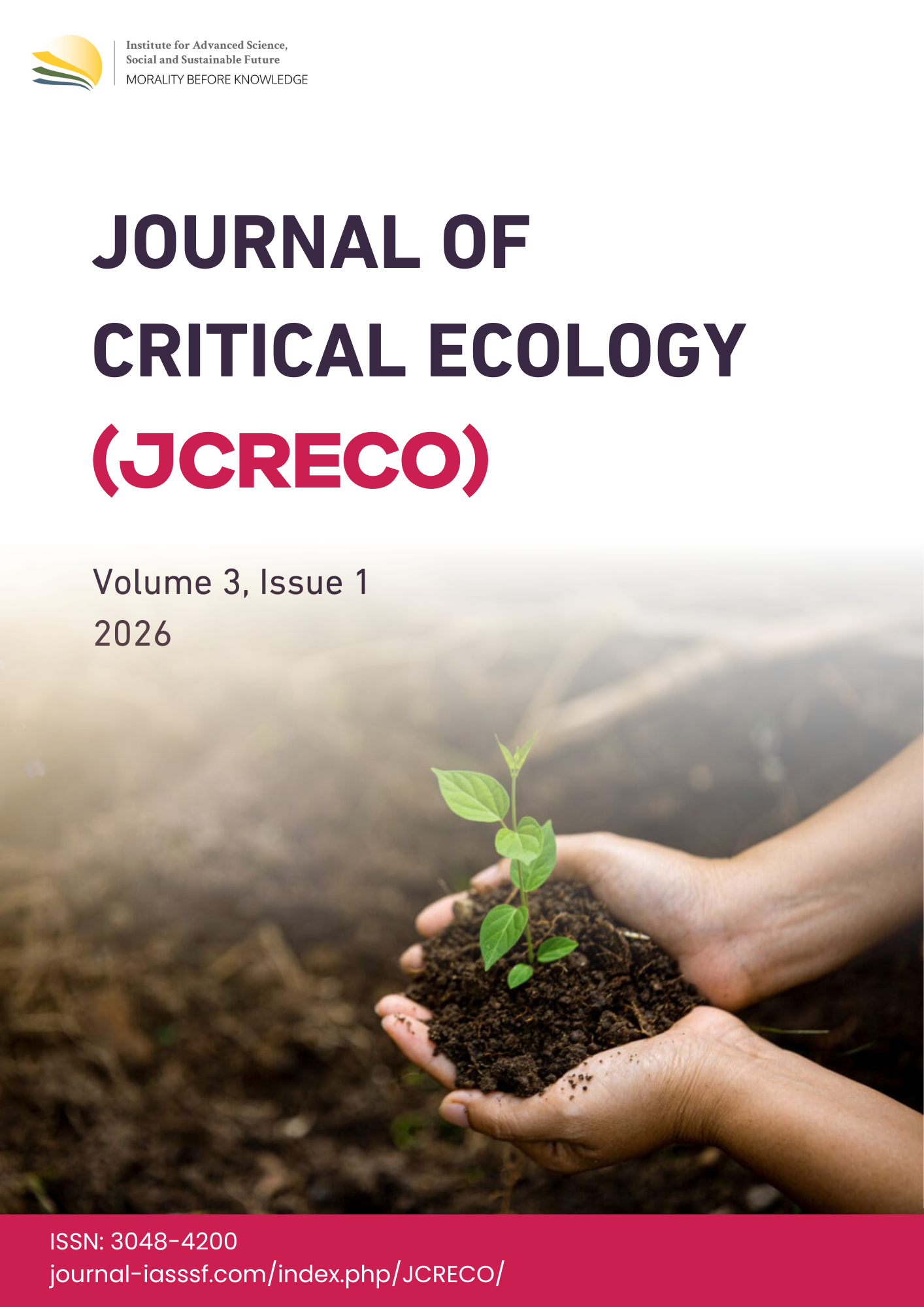
Literature review: Implementation of environmental ethics in the adiwiyata school program through adventure-based guidance in guidance and counseling services
DOI:
https://doi.org/10.61511/jcreco.v3i1.2813Keywords:
adiwiyata school program, adventure-based guidance, environmental education, environmental ethics, guidance and counselingAbstract
Background: Indonesia is a country blessed with abundant natural resources. Therefore, efforts to protect and preserve nature and the environment have become increasingly crucial. However, environmental problems continue to emerge as significant national and global issues, with waste management remaining one of the most pressing challenges. Education plays a central role in fostering environmental awareness among students, making schools an essential platform for developing ecological ethics and sustainable behavior. This study aims to elaborate on the concept of environmental ethics in education, analyze the implementation of environmental ethics within Adiwiyata Schools, and explain the contribution of Adventure-Based Guidance in Guidance and Counseling services to fostering students’ environmental awareness. Methods: The research employs a literature review method, synthesizing theoretical and empirical studies related to environmental education, experiential learning, and school counseling practices. Findings: The findings indicate that the integration of Adventure-Based Guidance within Guidance and Counseling services provides an innovative approach to environmental and character education. The Adventure-Based Guidance approach, rooted in experiential learning principles, allows students to learn through direct interaction with natural environments. Through activities such as outdoor counseling, adventure-based group guidance, and school-based environmental projects, students not only gain cognitive understanding of environmental issues but also develop affective and moral sensitivity toward nature. Counselors play a vital role in facilitating reflective sessions, transforming experiential learning into ethical awareness and moral responsibility for environmental preservation. Conclusion: The findings reveal that the implementation of Adventure-Based Guidance within Guidance and Counseling services significantly strengthens the Adiwiyata Program by fostering students’ ecological awareness, moral responsibility, and sustainable environmental character through experiential and reflective learning processes. Novelty/Originality of this article: This article offers a distinctive and interdisciplinary contribution to ecological education by integrating environmental ethics, school-based sustainability programs, and counseling psychology into a unified conceptual framework.
References
Aini, T. N., Akbar, S., & Winahyu, S. E. (2021). Implementasi Program Adiwiyata Berbasis Partisipatif Dalam Menumbuhkan Nilai-Nilai Karakter di Sekolah Dasar. Sekolah Dasar: Kajian Teori Dan Praktik Pendidikan, 30(1), 57–70. https://doi.org/10.23887/jipp.v6i2.50730
Alfikro, A., & Drastisianti, A. (2024). Urgensi Pendidikan Lingkungan Hidup Sebagai Upaya Pengelolaan Lingkungan Pada Sekolah Menengah (Studi Pengabdian Pada SMPN 1 Losarang Kecamatan Losarang Kabupaten Indramayu). Jurnal Pengabdian Kepada Masyarakat, 1(1), 25–37. https://journal.innoscientia.org/index.php/berbudi/article/view/47
Alisya, A. M. P. A., Aulia, V. R., & Ubaidillah, K. (2024). Perubahan iklim dan krisis lingkungan: Tantangan hukum dan peran masyarakat. DEPOSISI: JURNAL PUBLIKASI ILMU HUKUM Учредители: Fakultas Hukum, Universitas Katolik Widya Karya Malang, 2(2), 364-375. https://doi.org/10.59581/deposisi.v2i2.3225
Ambarwati, & Farozin, M. (2024). Development of Adventure-Based Guidance To Improve Self-Management of High School Students. PSIKOPEDAGOGIA Jurnal Bimbingan Dan Konseling, 13(2), 72–79. https://doi.org/10.12928/psikopedagogia.v13i2.30315
Arini, I., Pradana, S. P., Sayhrul, M., Sianturi, A. S. R., & Bahri, H. (2025). Project-Based Environmental Action : Penguatan Kepedulian dan Solusi Kreatif Siswa terhadap Isu Lingkungan. Jurnal Pengabdian Kepada Masyarakat Nusantara (JPKMN), 6(3), 3798–3806. https://doi.org/10.55338/jpkmn.v6i3.6551
Asfahani, A., El-Farra, S. A., & Iqbal, K. (2023). International Benchmarking of Teacher Training Programs: Lessons Learned from Diverse Education Systems. EDUJAVARE: International Journal of Educational Research, 1(2), 141–152. https://doi.org/10.70610/edujavare.v2i1.28
Ayustina, S., Handani, S. S., & Mustika, D. (2023). Pengaruh program sekolah adiwiyata terhadap perilaku peduli lingkungan peserta didik MAN 1 Kabupaten Bandung. RESOURCE| Research of Social Education, 3(1), 56-61. https://ejournal.unibba.ac.id/index.php/resource/article/view/1359
Azami, T., & Kustanto, A. (2023). Pencemaran, kerusakan alam dan cara penyelesaiannya Ditinjau dari hukum lingkungan. Qistie, 16(1), 40-50. https://doi.org/10.31942/jqi.v16i1.8383
Azizah, D. M., Barida, M., & Munandari, I. (2020). Upaya Meningkatkan Minat Keikutsertaan Peserta Didik Melalui Layanan Bimbingan Klasikal Model Experinetial Learning Pada Siswa Kelas XII AK SMK BHAKTI PRAJA SLAWI. Prosiding Pendidikan Profesi Guru, Fakultas Keguruan dan Ilmu Pendidikan, Universitas Ahmad Dahlan, Yogyakarta: Universitas Ahmad Dahlan, 528-535. https://eprints.uad.ac.id/21270/1/28.%20Dian%20Muslimatun%20Azizah%20BK%20%28528-535%29.pdf
Azizah, N., & Nugroho, A. R. B. P. (2020). Adiwiyata Program For Students In The Study Of Psychology Of Learning And Ecological Counseling Guidance. Jurnal Educative: Journal Of Educational Studies, 5(2), 178–192. https://doi.org/10.30983/educative.v5i2.3689
Bayu, I., & Ulfatin, N. (2018). Budaya Sekolah berwawasan lingkungan pada sekolah adiwiyata mandiri. Jurnal Kajian Teori Dan Praktik Kependidikan. http://dx.doi.org/10.17977/um027v3i12018p011
Cahyani, F. A. (2020). Upaya Peningkatan Daya Dukung Lingkungan Melalui Penerapan Prinsip Sustainable Development Berdasarkan Undang Undang Nomor 32 Tahun 2009 tentang Perlindungan dan Pengelolaan Lingkungan Hidup. Indonesian State Law Review, 2(2), 168–179. https://doi.org/10.15294/islrev.v2i2.23203
Conel, E., & Avilla, R. (2022). Enhancing junior high school students' environmental knowledge using experiential-reflective instruction. AsTEN Journal of Teacher Education, 6. https://doi.org/10.56278/asten.v6i.1795
Gampu, G., Pinontoan, M., & Sumilat, J. M. (2022). Peran Lingkungan Sekolah Terhadap Pembentukan Karakter Disiplin dan Tanggung Jawab Siswa. Edukatif: Jurnal Ilmu Pendidikan, 4(4), 5124–5130. https://doi.org/10.31004/edukatif.v4i4.3090
Guevara-Herrero, I., Bravo-Torija, B., & Pérez-Martín, J. M. (2024). Educational practice in education for environmental justice: A systematic review of the literature. Sustainability, 16(7), 2805. https://doi.org/10.3390/su16072805
Hajj-Hassan, M., Chaker, R., & Cederqvist, A. M. (2024). Environmental Education: A Systematic Review on the Use of Digital Tools for Fostering Sustainability Awareness. Sustainability (Switzerland) , 16(9), 1–25. https://doi.org/10.3390/su16093733
Herliana, P., Suriansyah, A., & Aslamiah. (2025). Green leadership and environmental awareness growing with Indonesia’s Adiwiyata Program at a Kotabaru school. Issues in Educational Research, 35(3), 987–1009. https://search.informit.org/doi/10.3316/informit.T2025102900013501695794818
Hermawan, I., & Mahmudah, F. N. (2023). Implementasi program sekolah adiwiyata dalam meningkatkan karakter peduli lingkungan siswa di SD Muhammadiyah Nitikan. Equilibrium: Jurnal Pendidikan, 11(1), 34-44. https://doi.org/10.26618/equilibrium.v11i1.9254
Hudha, A. M., & Rahardjanto, A. (2018). Etika Lingkungan (Teori dan praktik pembelajarannya). UMMPress.
Hudha, AM., Husamah, Rahardjanto, A. (2019). Etika Lingkungan (Teori Dan Praktik Pembelajarannya). UMM Press.
Idrus, A & Novia, Y. (2018). Pelaksanaan Nilai Perduli Lingkungan di Sekolah Dasar. Jurnal Gentala Pendidikan Dasar, 3(2), 203–219. https://doi.org/10.22437/gentala.v3i2.6757
Indahri, Y. (2020). Pelaksanaan Program Adiwiyata di Kota Surabaya. Aspirasi : Jurnal Masalah-Masalah Sosial, 11(2), 121–134. https://doi.org/10.46807/aspirasi.v11i2.1742
Jamin, N. S., Asfahani, A., Munirah, M., Prusty, A., & Palayukan, H. (2024). Cross- Cultural Pedagogical Perspectives: A Collaborative Study with Indian Scholars in Childhood Education. Absorbent Mind: Journal of Psychology and Child Development, 4(1), 77–85. https://doi.org/10.37680/absorbent_mind.v4i1.4933
Kolb, D. A. (1984). Experiential Learning. In : Prentice Hall, Inc. Englewood Cliffs.
Lakadjo, M. A. (2024). Konseptualisasi Adventure-Based Counseling untuk Meningkatkan EcoWellness: Mengintegrasikan Alam dan Petualangan untuk Kesejahteraan Klien yang Holistik. Conseils : Jurnal Bimbingan Dan Konseling Islam, 4(2), 12–21. https://doi.org/10.55352/bki.v4i2.976
Hidayati, A. Z., & Zakianis. (2020). Analisis Faktor-Faktor yang Mempengaruhi Indeks Kualitas Lingkungan Hidup (IKLH) di Indonesia Tahun 2017-2019. Jurnal Bagus, 02(01), 402–406. https://jurnalmedikahutama.com/index.php/JMH/article/view/456
Meika, D. S., & Putra, E. D. (2021). Peran Guru dalam Membentuk Karakter Siswa Peduli terhadap Lingkungan pada Sekolah Adiwiyata. Mimbar Ilmu, 26(3). https://doi.org/10.23887/mi.v26i3.39617
Muhtarom, A. (2019). Participation Action Research dalam Membangun Kesadaran Pendidikan Anak di Lingkungan Perkampungan Transisi Kota. Dimas: Jurnal Pemikiran Agama Untuk Pemberdayaan, 18(2), 259. https://doi.org/10.21580/dms.2018.182.3261
Naziyah, S., Akhwani, Nafiah, & Hartatik, S. (2020). Implementasi Pendidikan Karakter Peduli Lingkungan di Sekolah Dasar. Jurnal Basicedu, 3(2), 524–532. https://doi.org/10.31004/basicedu.v5i5.1344
Nurmansah, R., & Retnowati, T. H. (2020). The evaluation of Heathy School Program at junior high school receiving the National Adiwiyata. Jurnal Penelitian Dan Evaluasi Pendidikan, 24(2), 146–155. https://doi.org/10.21831/pep.v24i2.25464
Pradini, I. K., Sudjanto, B., & Nurjannah, N. (2019). Implementasi Program Sekolah Adiwiyata Dalam Peningkatan Mutu Pendidikan Di Sdn Tanah Tinggi 3 Kota Tangerang. Jurnal Green Growth Dan Manajemen Lingkungan, 7(2), 122–132. https://doi.org/10.21009/jgg.072.03
Priest., & Gass, M. (2005). Effective Leadership in Adventure Programming. Sheridan Books.
Ragam, F. D., & Kartianti, S. (2023). Layanan bimbingan kelompok dengan metode experiential learning untuk meningkatkan kepercayaan diri remaja di Jemaat Nita Duma, Galela Barat. INNOVATIVE: Journal Of Social Science Research, 3(3), 7051–7060. http://j-innovative.org/index.php/Innovative/article/view/2924
Rokhmah, U. N. (2019). Pelaksanaan Program Adiwiyata Sebagai Upaya Pembentukan Karakter Peduli Lingkungan Siswa di Madrasah IBTIDAYAH. Jurnal Ilmiah Keagamaan Dan Kemasyarakatan, 13(1), 67–88. http://dx.doi.org/10.35931/aq.v0i0.133
Rukaya, N., & Alam, A. F. A. (2024). Pengaruh layanan bimbingan dan konseling terhadap moral peserta didik di SMA Negeri 3 Barru. Jurnal Ilmiah Pendidikan Karakter, 11(2), 88–99. https://doi.org/10.31100/jurkam.v8i2.3637
Rustaman, N. (2015). Integrasi Aspek Afektif-Kognitif melalui Pembelajaran Bioresources Berorientasi Local Wisdom dan Berpikir Sistem untuk Membekali Perilaku Konservasi melalui Klasifikasi-Generalisasi. Prosiding Seminar Nasional Biotik 2015. https://doi.org/10.22373/pbio.v3i1.2602
Setyowati, A., Partini, S., Wahyudi, A., Rahayu, Y. I., Ardini, F. M., & Widiatmoko, M. (2024). Melatih Academic Hardiness Melalui Petualangan: Dampak Adventure Based Counseling pada Siswa. Indonesian Journal of Educational Counseling, 8(2), 217–227. https://doi.org/10.30653/001.202482.384
Sheppard, V. (2020). Research Methods for the Social Sciences: An Introduction. Press Books.
Snyder, H. (2019). Literature review as a research methodology: An overview and guidelines. Journal of Business Research, 104, 333–339. https://doi.org/10.1016/j.jbusres.2019.07.039
Sunarto, S. (2023). Environmental Literacy and Care Behavior Through Adiwiyata Program at Elementary School. AL-ISHLAH: Jurnal Pendidikan, 15(3), 3040–3050. https://doi.org/10.35445/alishlah.v15i3.3887
Susanti, L. G. M. L., & Arsawati, N. N. J. (2021). Alternatif strategi pengelolaan sampah berbasis Pemberdayaan masyarakat melalui bank sampah di Desa tunjuk, tabanan. Kaibon Abhinaya: Jurnal Pengabdian Masyarakat, 3(2), 105–110. https://doi.org/10.30656/ka.v3i2.3111
Tjahjono, H. K. (2018). Studi Literatur Pengaruh Keadilan Distributif dan Keadilan Prosedural pada Konsekuensinya dengan Teknik Meta Analisis. Jurnal Psikologi, 35(1), 21–40. https://doi.org/10.22146/jpsi.7097
Tompodung, T. C. G., Rushayati, S. B., & Aidi, M. N. (2018). Efektivitas Program Adiwiyata Terhadap Perilaku Ramah Lingkungan Warga Sekolah Di Kota Depok. Journal of Natural Resources and Environmental Management, 8(2), 170–177. https://doi.org/10.29244/jpsl.8.2.170-177
Tristiana, V., & Sukartono. (2023). Implementasi Program Sekolah Adiwiyata Untuk Menumbuhkan Karakter Gotong Royong Siswa Di Sekolah Dasar. ELSE (Elementary School Education Journal): Jurnal Pendidikan Dan Pembelajaran Sekolah Dasar, 7(2). https://doi.org/10.30651/else.v7i2.16887
Widiawati, M., Fathul, Barkah, R., & Nur, DS, Y. (2022). Analisis Penerapan Pendidikan Lingkungan Hidup di Sekolah Dasar Maharani. 6(1), 181–186. https://doi.org/10.52802/pancar.v6i1.333
Widodo, H., & Etyk, N. (2022). Sekolah Adiwiyata Berbasis Budaya Sekolah Mengembangkan Karakter Peduli Lingkungan Di SD/MI. PT Remaja Rosdakarya Offset.
Wisman, Y., & Santoso, J. (2024). Pendidikan Lingkungan Hidup Untuk Meningkatkan Ecoliteracy Siswa. Jurnal Ilmiah Kanderang Tingang, 15(1), 29–39. https://doi.org/10.37304/jikt.v15i1.302
Yam, J. H. (2024). Kajian Penelitian: Tinjauan Literatur Sebagai Metode Penelitian. Jurnal Empire, 4(1), 61–70.
Zhang, X., Jung, W., & Asari, M. (2025). Systematic Review of Environmental Education Teaching Practices in Schools: Trends and Gaps (2015–2024). Sustainability, 17(19), 8561. https://doi.org/10.3390/su17198561
Downloads
Published
Issue
Section
Citation Check
License
Copyright (c) 2026 Ambarwati Ambarwati

This work is licensed under a Creative Commons Attribution 4.0 International License.